Cricket 2 min read
How to Tape a Tennis Ball for Tape Ball Cricket (Step by Step)
Shop this guide (1)
Taping the ball is the first job before any tape ball match, and every team does it a little differently. Get it right and the ball plays consistently all evening; get it wrong and the tape peels after a few overs. Here's a simple method that works for street games and tournaments alike.
What you need
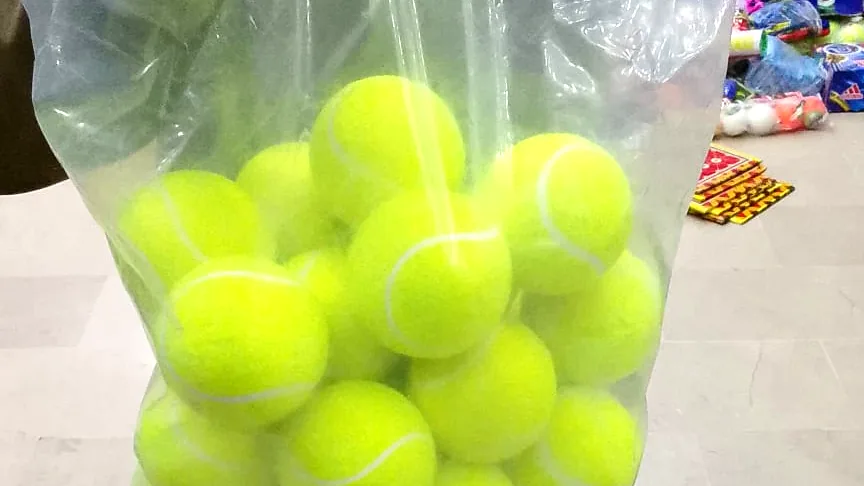
- A tape ball or a loose 70 mm ball. Our tape balls come 3 to an air-tight pack, and loose balls are sold singly or by the dozen.
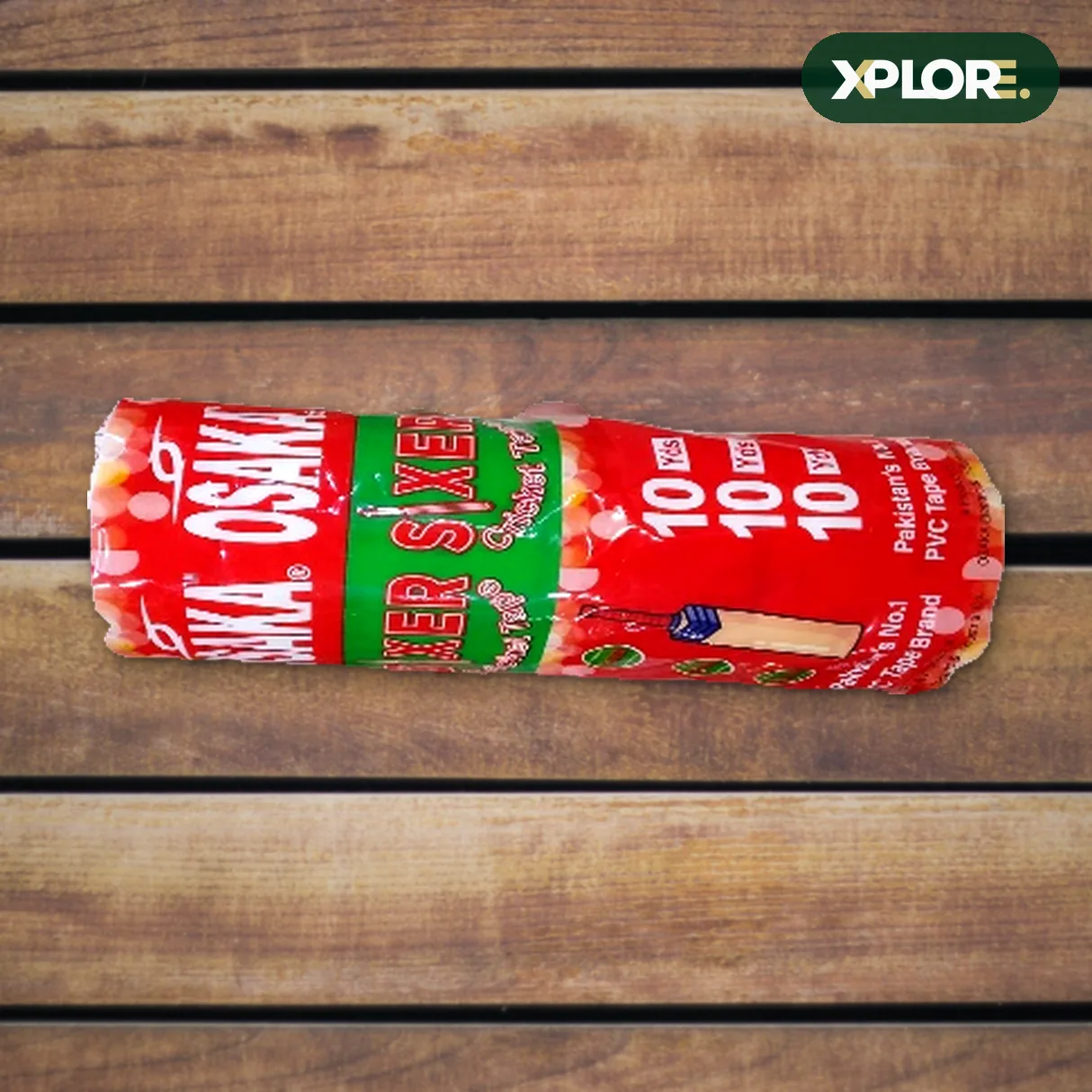
- A roll of electrical tape made for the job, such as Osaka cricket ball tape, which comes in packs of 10 rolls.
- Clean, dry hands and a dry ball. Tape won't stick well to a damp or dusty surface.
Step by step
- Start at the middle. Press the end of the tape onto the ball and wrap it around the widest part, pulling it slightly so it lies flat.
- Work outwards. Turn the ball a little with each wrap so every new layer overlaps the last by about half its width.
- Cover the whole ball. Keep going until no felt shows. Smooth out any creases with your thumb as you go.
- Add layers evenly. If you want a heavier, harder ball, add another full layer, not just a few strips in one place.
- Finish neatly. Cut the tape cleanly and press the end down firmly so it doesn't lift when the ball is hit.
Even taping or one side heavier?
Many street players tape one half of the ball more heavily than the other, because it changes how the ball moves in the air. That can be fun in a friendly game, but it also makes the ball harder to predict and can start arguments. For tournaments and fair matches, tape every ball evenly and use the same number of layers on each one.
How much tape?
There's no single rule: more layers make the ball heavier and harder, fewer keep it lighter. The important thing is consistency. Agree a method with your team, then tape all the match balls the same way before the first over.
Keeping taped balls match-ready
- Re-tape as soon as the tape starts to peel; a flapping strip changes how the ball bounces.
- Keep spare taped balls in a bag, out of direct sun. Heat makes the adhesive soft and sticky.
- Store unused rolls of tape somewhere cool and dry so they wrap neatly next time.
Quick checklist
- Dry ball, dry hands
- Start at the middle, overlap each wrap by half
- Same number of layers on every ball
- Spare balls and a spare roll in the kit bag
If you're stocking up for a season, a dozen loose balls or tape balls with a pack of ball tape keeps the game going without a trip to the market.
Shop this guide
The products mentioned above, with today's prices. Cash on Delivery across Pakistan.
Still deciding? Send us a message on WhatsApp (0329 5576280) and we'll help you pick the right gear for your game and budget.
Ask on WhatsAppFrequently asked
How many layers of tape should a tape ball have?
There's no fixed number. More layers make the ball heavier and harder; the key is to use the same number on every match ball.
Why do players tape one side more?
Taping one half more heavily changes how the ball moves in the air. For fair matches, tape evenly.
Which tape is best for tape balls?
Electrical tape made for ball taping, such as Osaka cricket ball tape in packs of 10 rolls.